
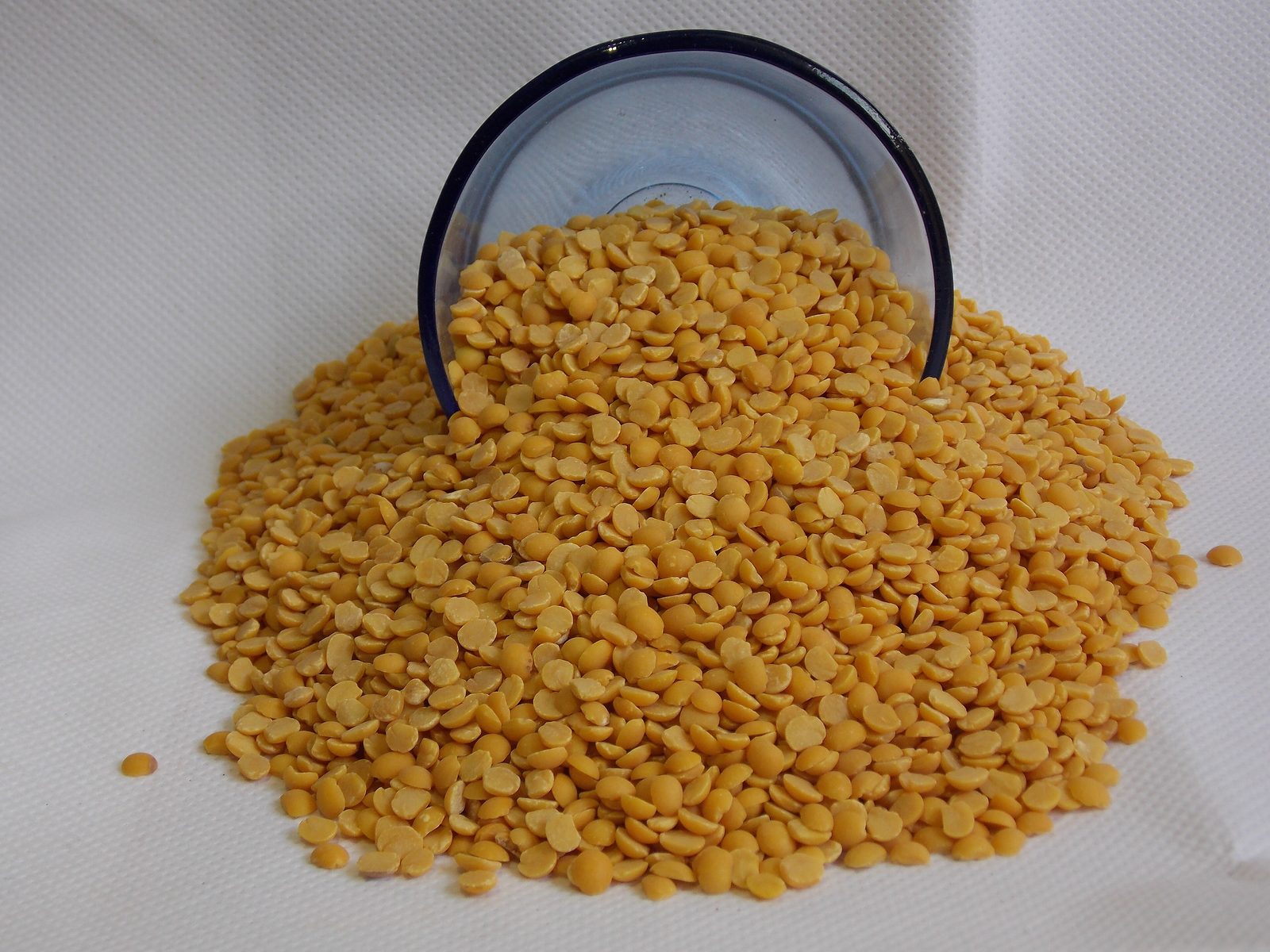
Pulses: the dried seeds of legume plants, the dals, beans and grams in your kitchen.
Pulses and your health
Pulses are one of the most affordable sources of plant protein, which matters a lot in a vegetarian Indian diet.
They also give you:
- fibre
- B vitamins and folate
- iron, calcium, potassium and zinc
Most are low in fat. Their carbohydrate is digested slowly, so they give steady energy.
The fibre and protein together help you stay full on fewer calories. Eating more pulses may also help lower blood sugar and blood pressure.
How to have pulses
Aim to have a pulse in at least one or two meals a day:
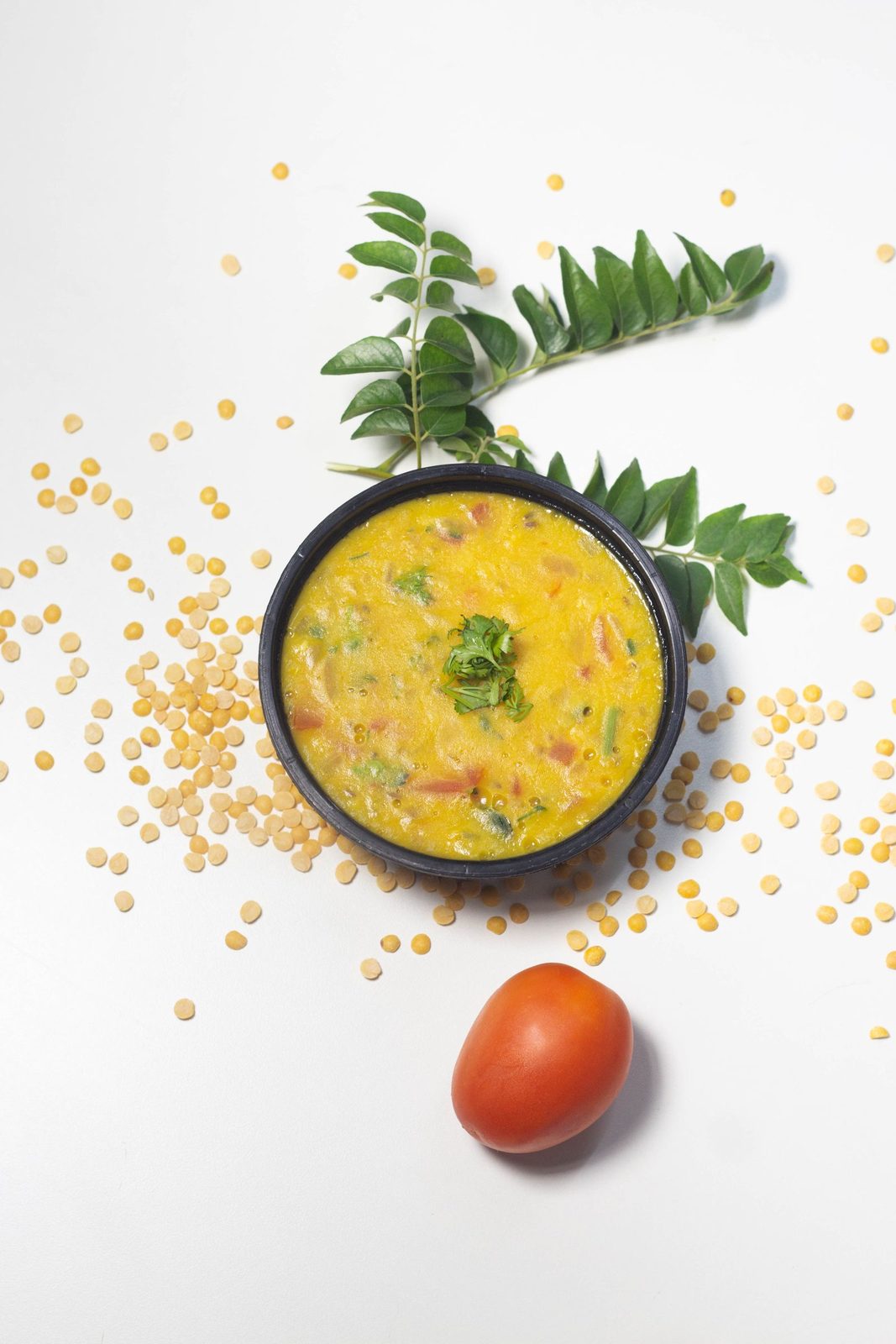
- a katori of dal with lunch
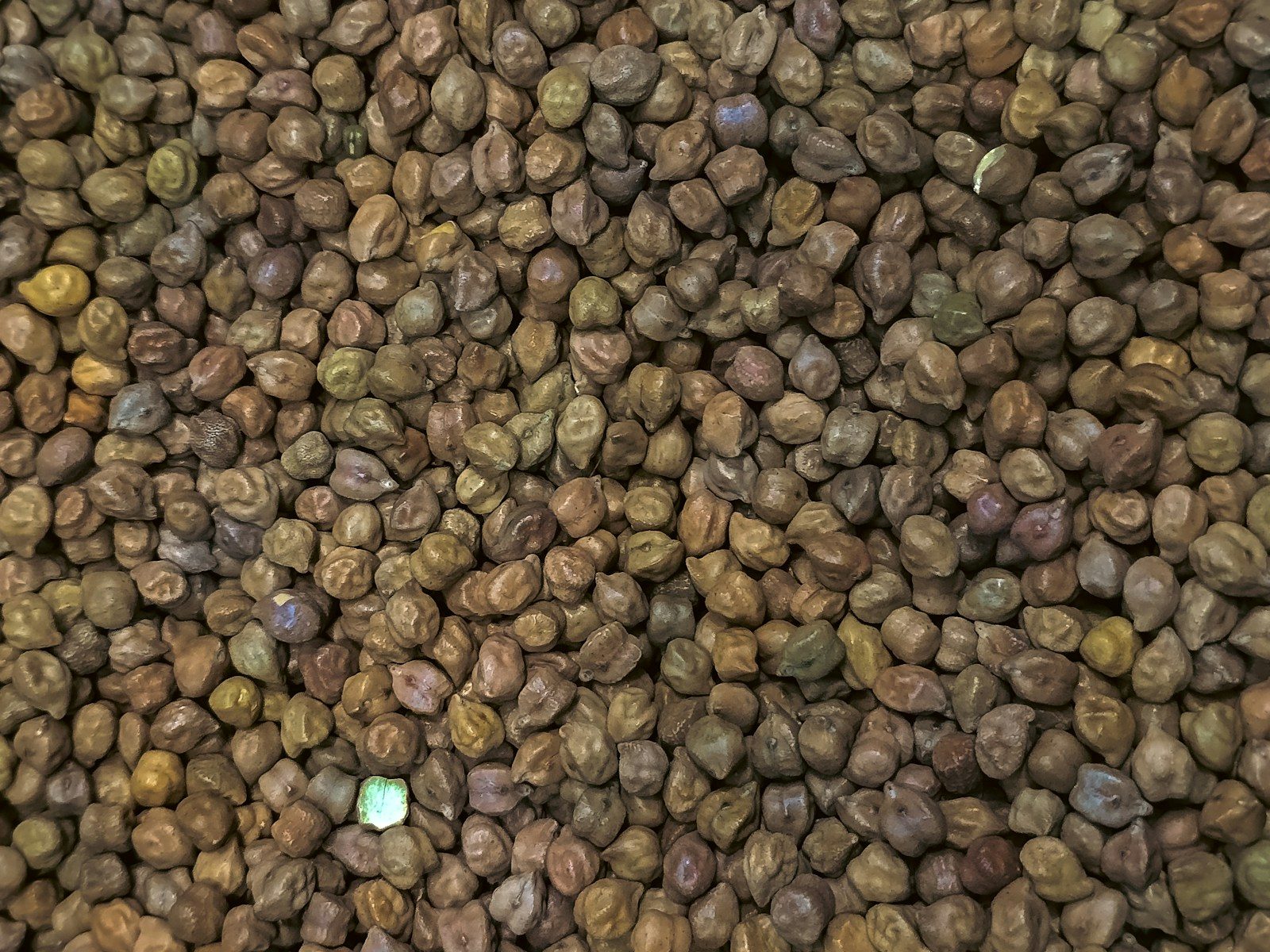
- sprouts or chana chaat as a snack
- besan chilla for breakfast
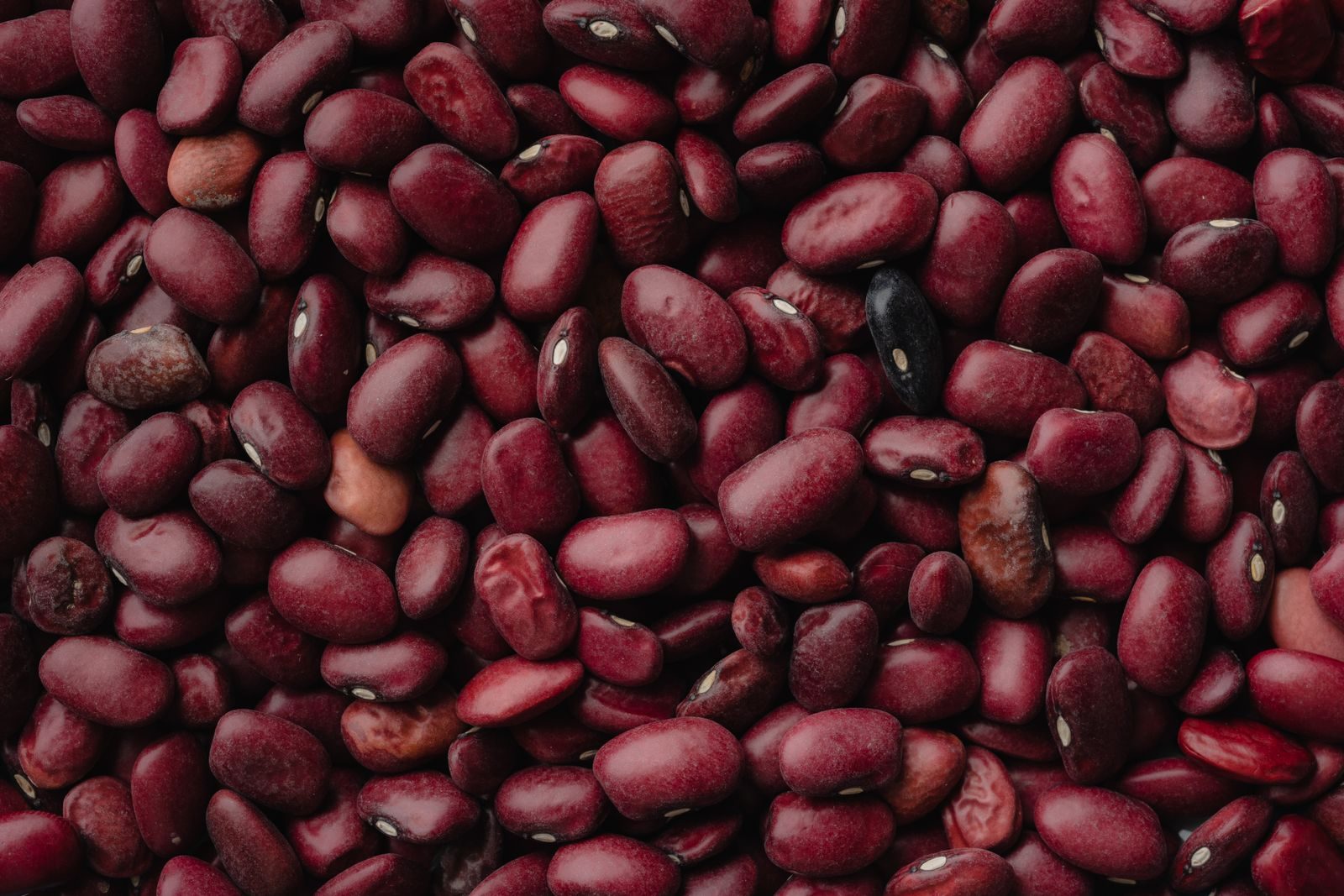
- rajma with rice
Soak whole beans like rajma and chana before cooking, then cook them in fresh water.
If pulses give you gas:
- increase them slowly so your gut can adjust
- chew well
- use digestive spices like hing and ajwain in your tadka
Pairing dal with roti or rice improves the overall quality of the protein.
Where you'll see it
The first call is free
Tell Puja what's going on and she will tell you honestly whether she can help.
A question about Pulses?
Send Puja a message. On a free call she looks at your reports and your plate with you, and says what to change.
Questions go to WhatsApp. Prefer to call? +91 88826 96344