
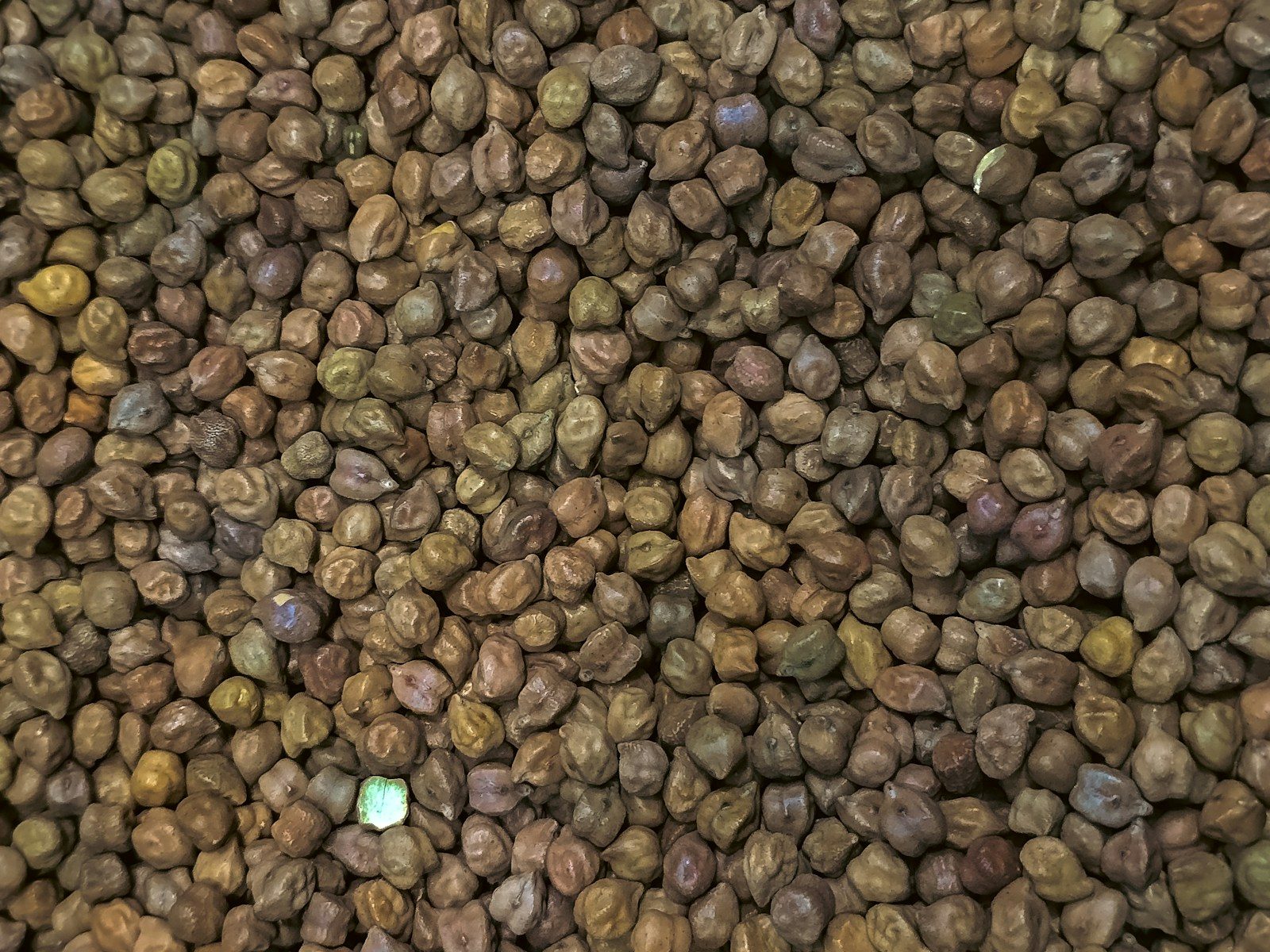
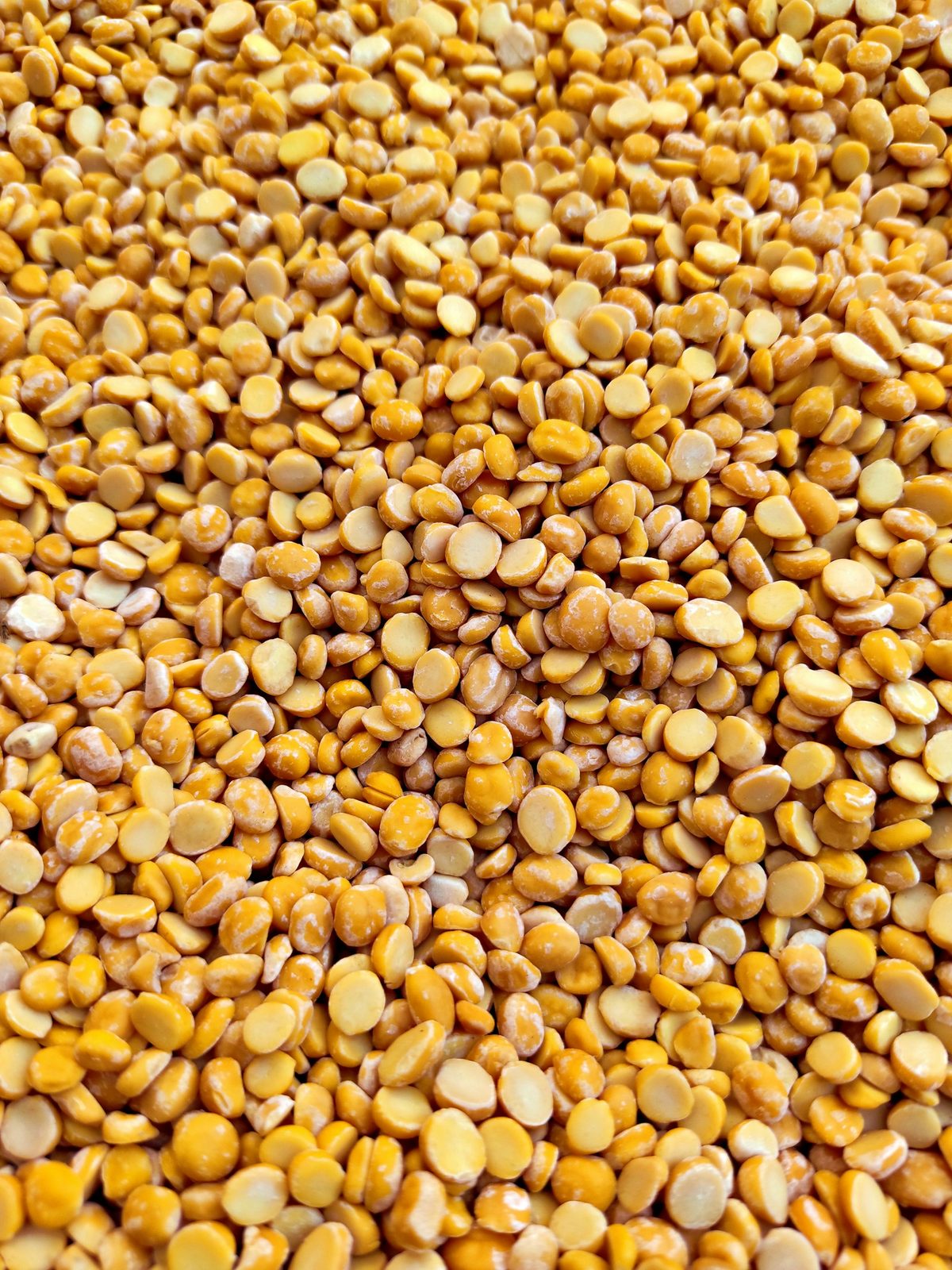
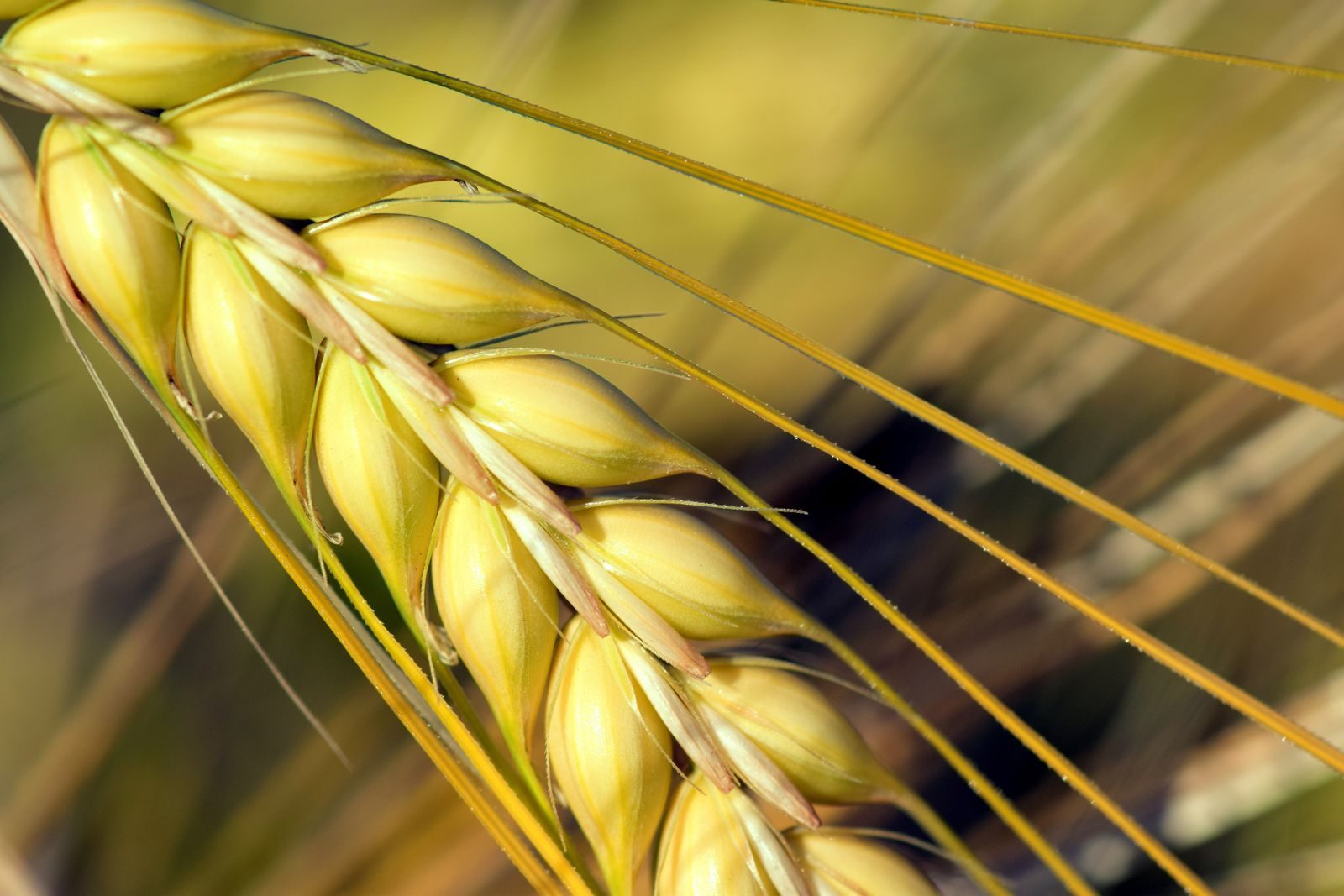
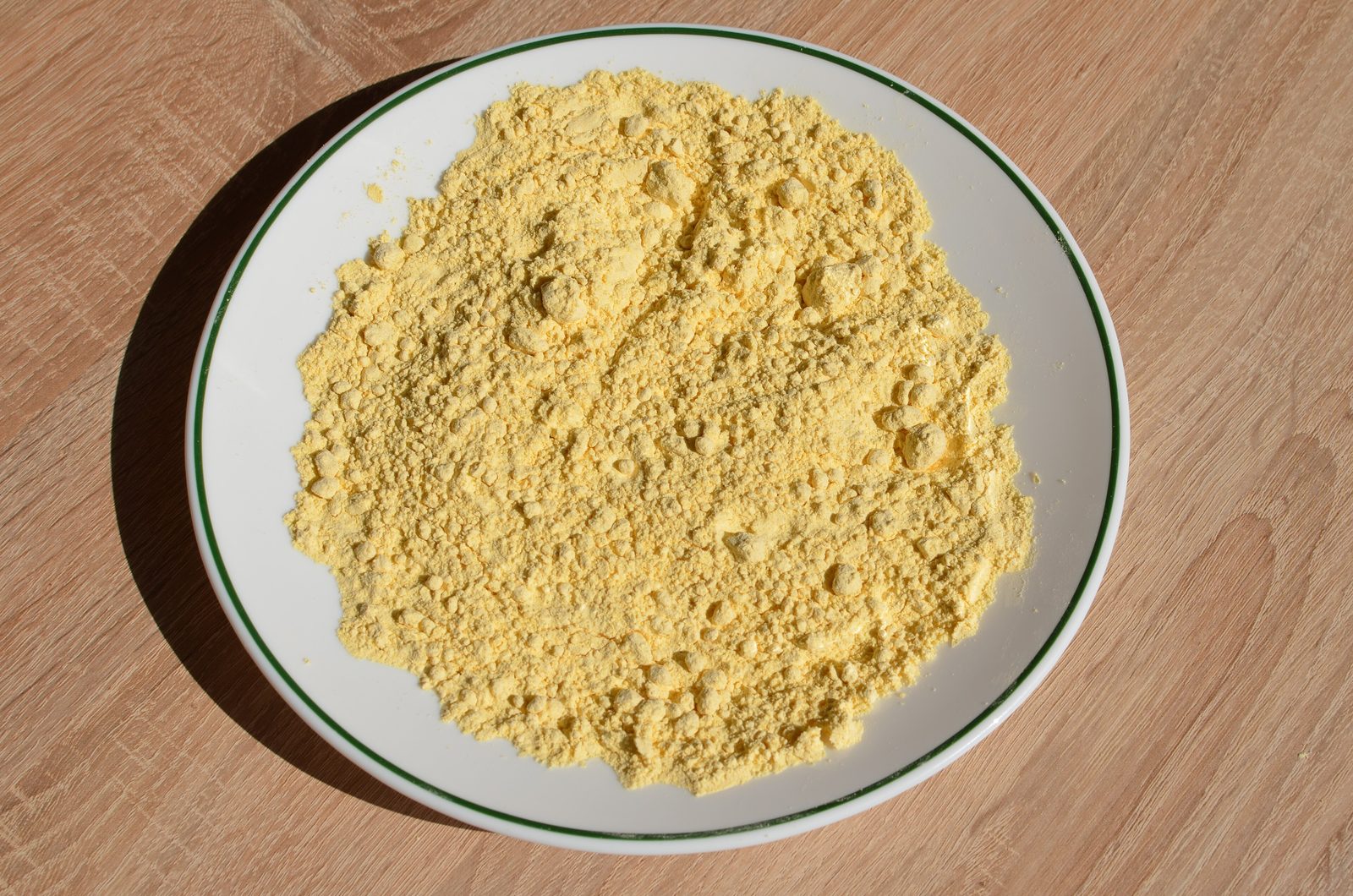
Sattu: a flour made by dry-roasting and grinding Bengal gram (chana), sometimes mixed with roasted barley or other grains.
It's a traditional food in Bihar, Jharkhand, eastern Uttar Pradesh and Punjab, taken as a drink, used as a stuffing for litti and parathas, or eaten as a quick meal.
Sattu and your health
Because it comes from a pulse, sattu gives you protein and fibre, along with iron and folate, in a form that needs almost no cooking.
Sattu is a useful swap when you'd otherwise reach for biscuits or a refined snack, because:
- pulses digest slowly
- their protein and fibre help you feel full
Research also links eating pulses regularly with lower LDL cholesterol.
How to have sattu
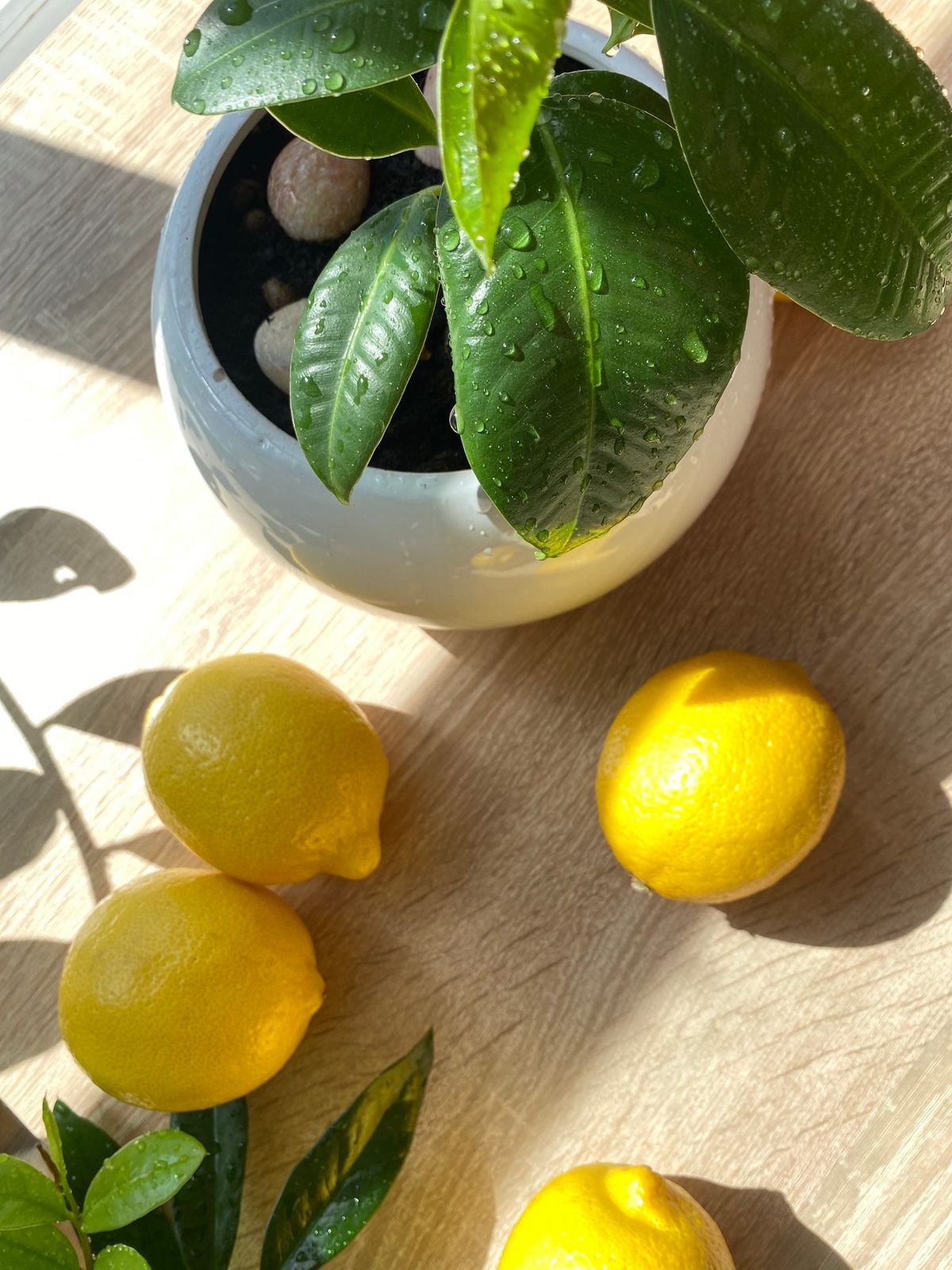
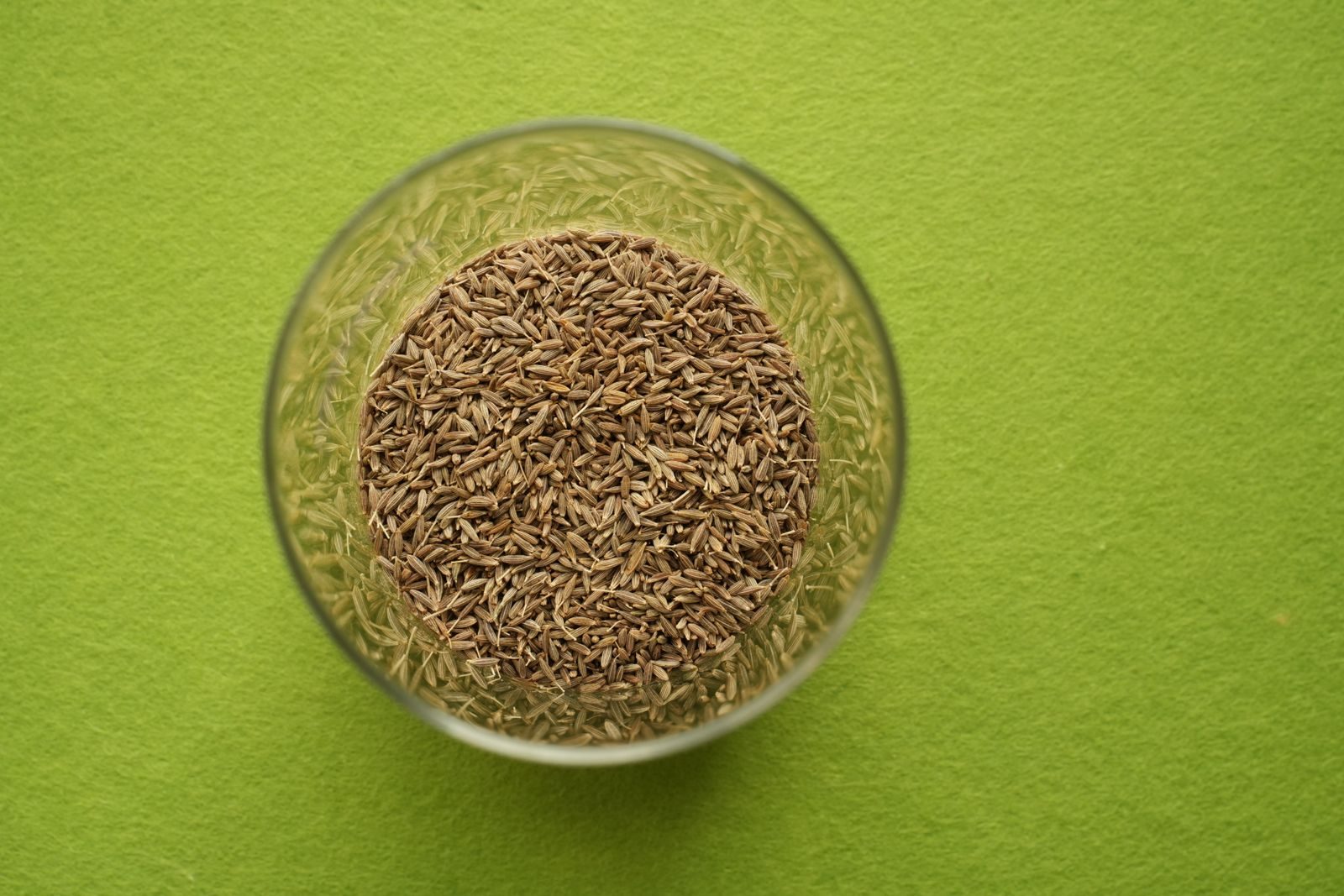
A glass of sattu stirred into water with lemon, roasted jeera and a pinch of salt makes a filling summer drink, and it doesn't need sugar.
You can also:
- mix some into your roti atta for extra protein
- use it as a paratha stuffing with onion, green chilli and coriander
Keep the portion about the same as a katori of dal, and pair it with vegetables. If pulses give you wind, start with small amounts and build up slowly.
Where you'll see it
The first call is free
Tell Puja what's going on and she will tell you honestly whether she can help.
Related guidance: Harvard T.H. Chan School of Public Health, The Nutrition Source: Legumes and Pulses. General information, not medical advice.
Related words
PulsesProteinFibreSatietyLDL cholesterol
Where it comes up
A question about Sattu?
Send Puja a message. On a free call she looks at your reports and your plate with you, and says what to change.
Questions go to WhatsApp. Prefer to call? +91 88826 96344