
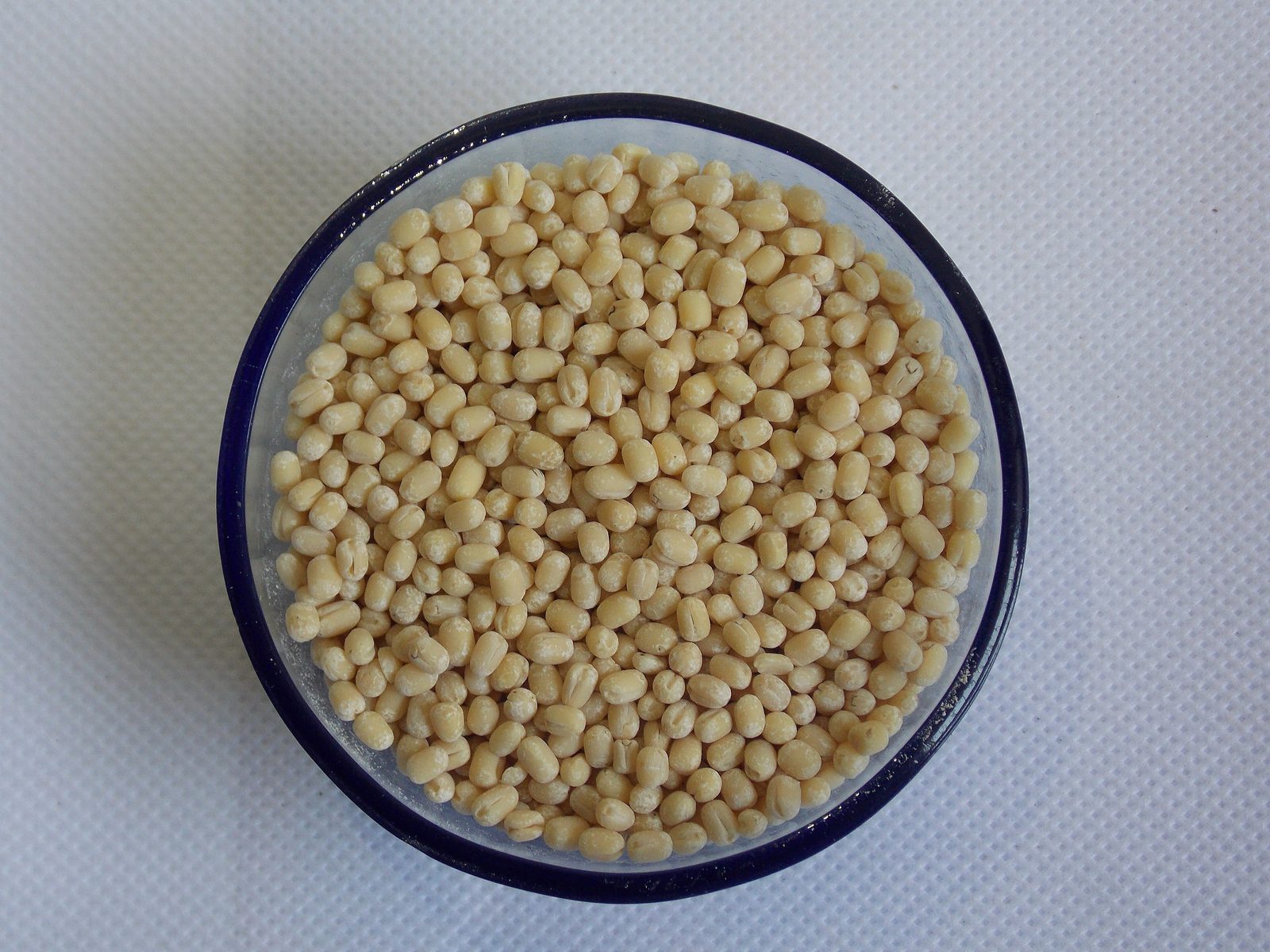
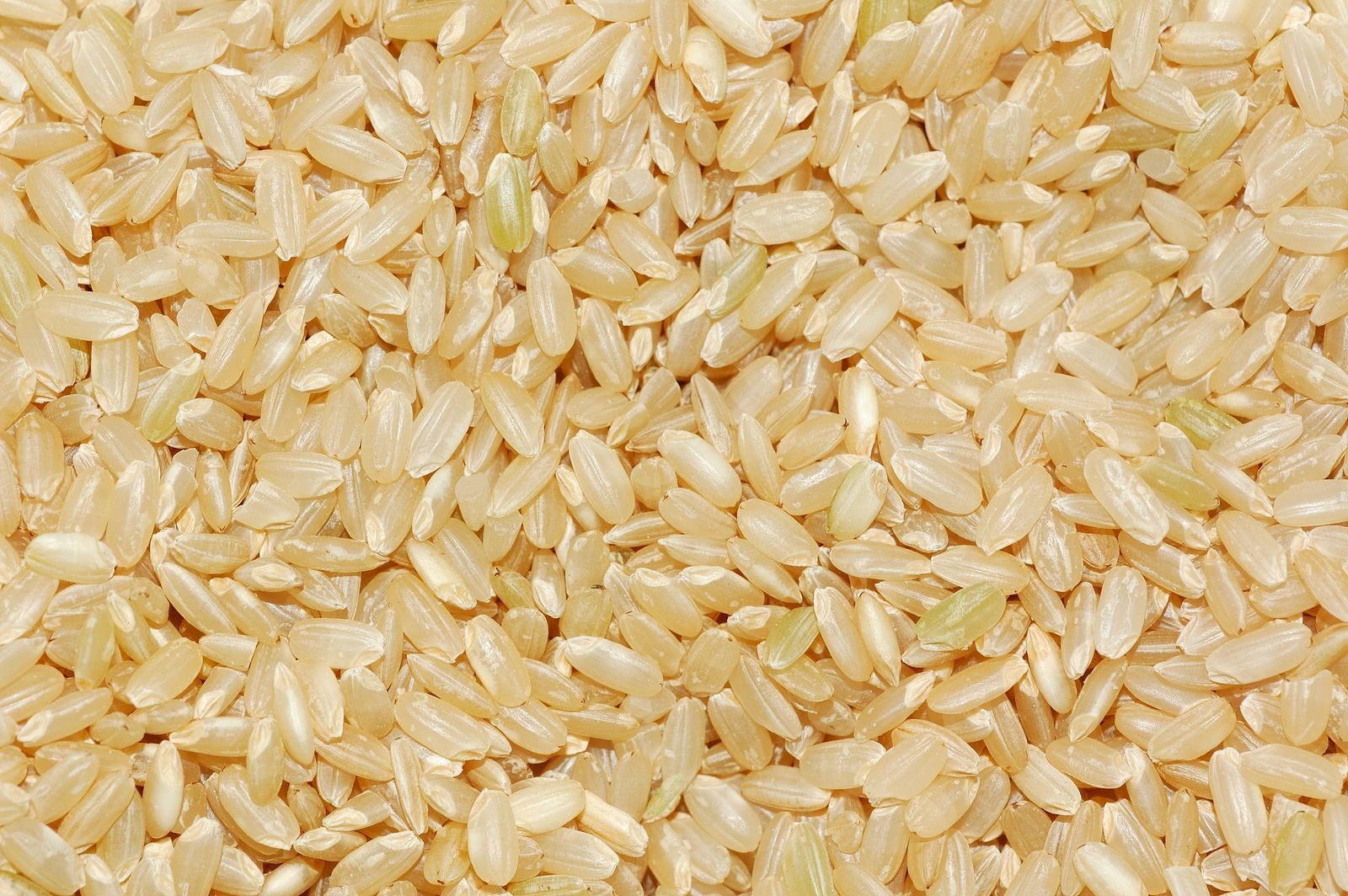
Idli: a soft, steamed cake made from a fermented batter of rice and urad dal.
Idli and your health
Steaming means idli needs almost no oil, so it's one of the lightest breakfasts in Indian cooking.
Fermentation is when bacteria and yeast break down some of the sugars and starches in a food. That can:
- change its taste, texture and nutrition
- make it easier to digest
Because idli is still mostly rice, though, the plate you build around it decides how full you feel and how your blood sugar responds.
How to have idli
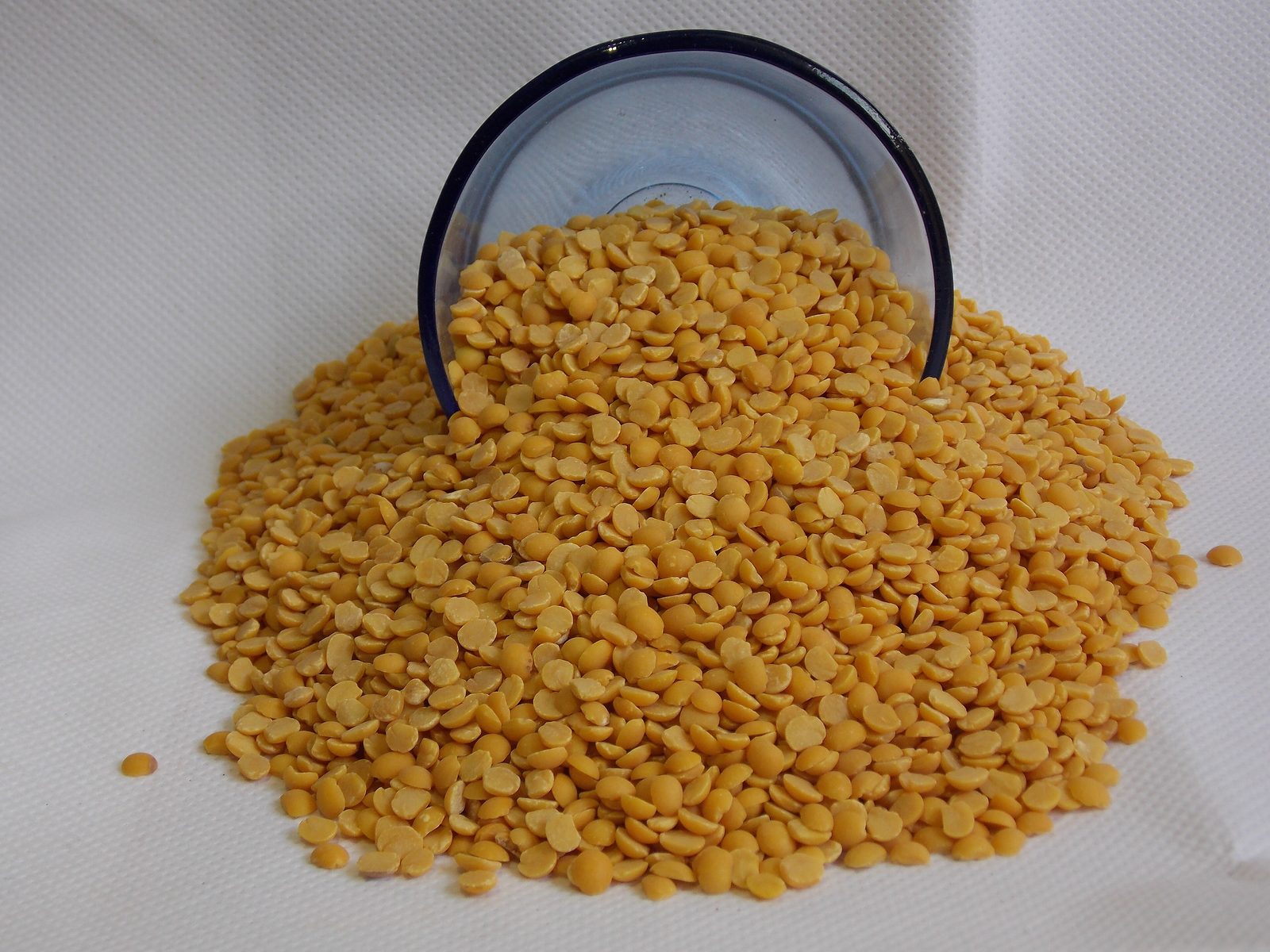
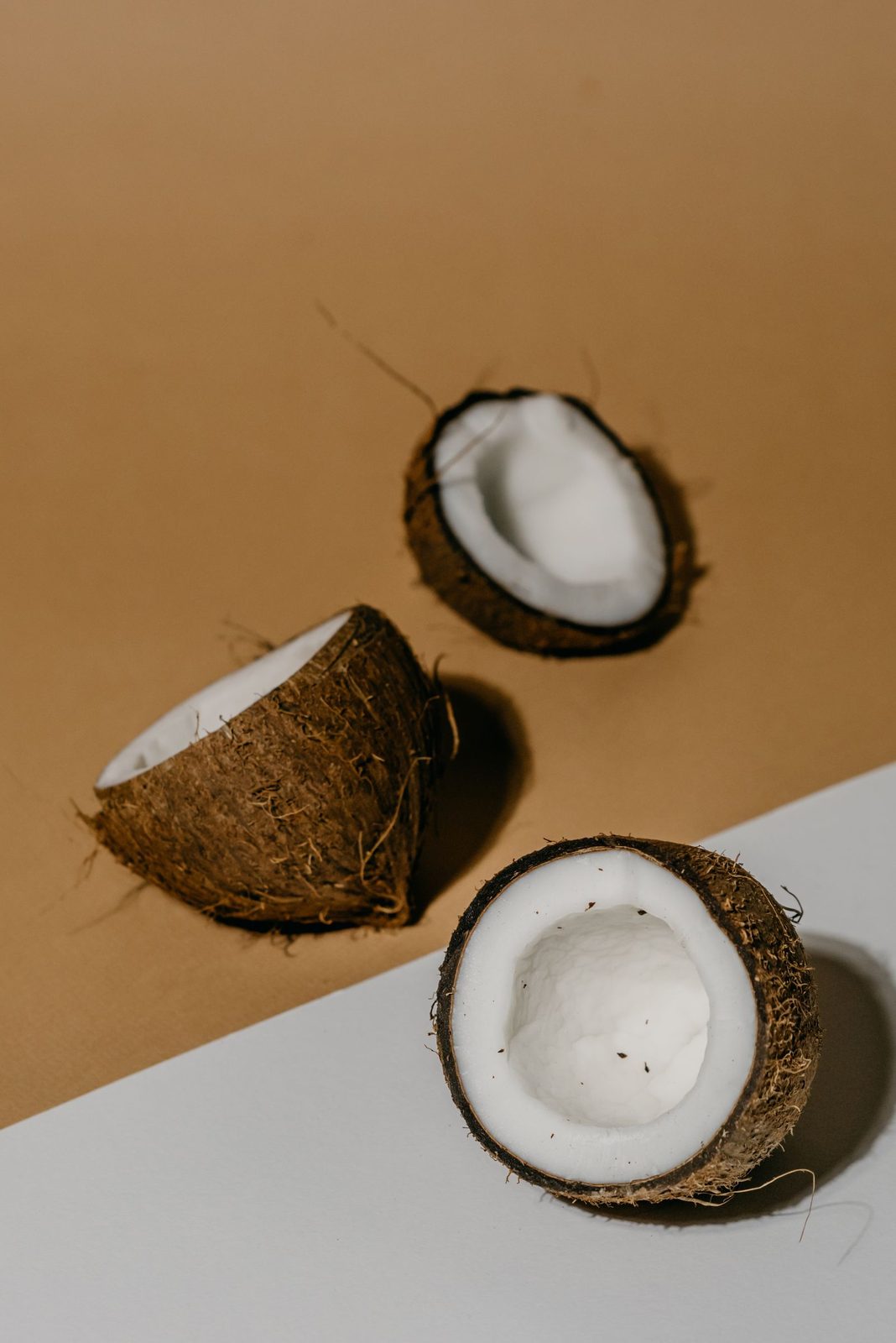
Have idli with a generous bowl of sambar for dal and vegetables, and a little coconut or tomato chutney.
How much:
- Two or three idlis with sambar makes a balanced meal for most people.
- Piling on extra idlis with lots of chutney and ghee podi adds up quickly.
For more fibre and protein, try idlis made with:
- a higher share of dal
- millets or oats
Homemade batter lets you control the salt, so taste before adding more.
Where you'll see it
The first call is free
Tell Puja what's going on and she will tell you honestly whether she can help.
Checked against: Cleveland Clinic: 8 Fermented Foods To Add to Your Diet. General information, not medical advice.
Related words
Fermented foodsProbioticsGlycemic indexPulsesPortion size
Counting it? Calories in idli, per serving.
A question about Idli?
Send Puja a message. On a free call she looks at your reports and your plate with you, and says what to change.
Questions go to WhatsApp. Prefer to call? +91 88826 96344