
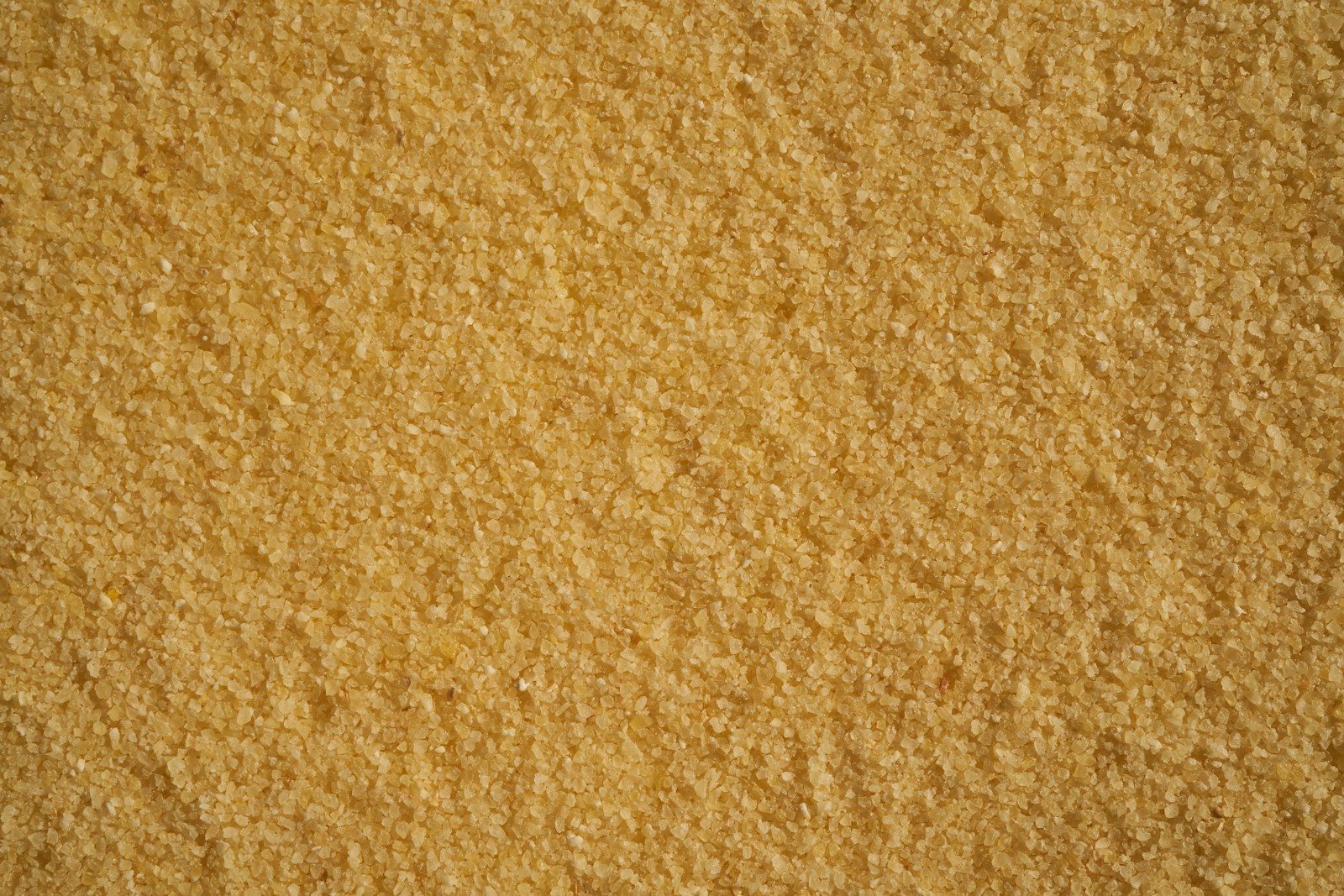
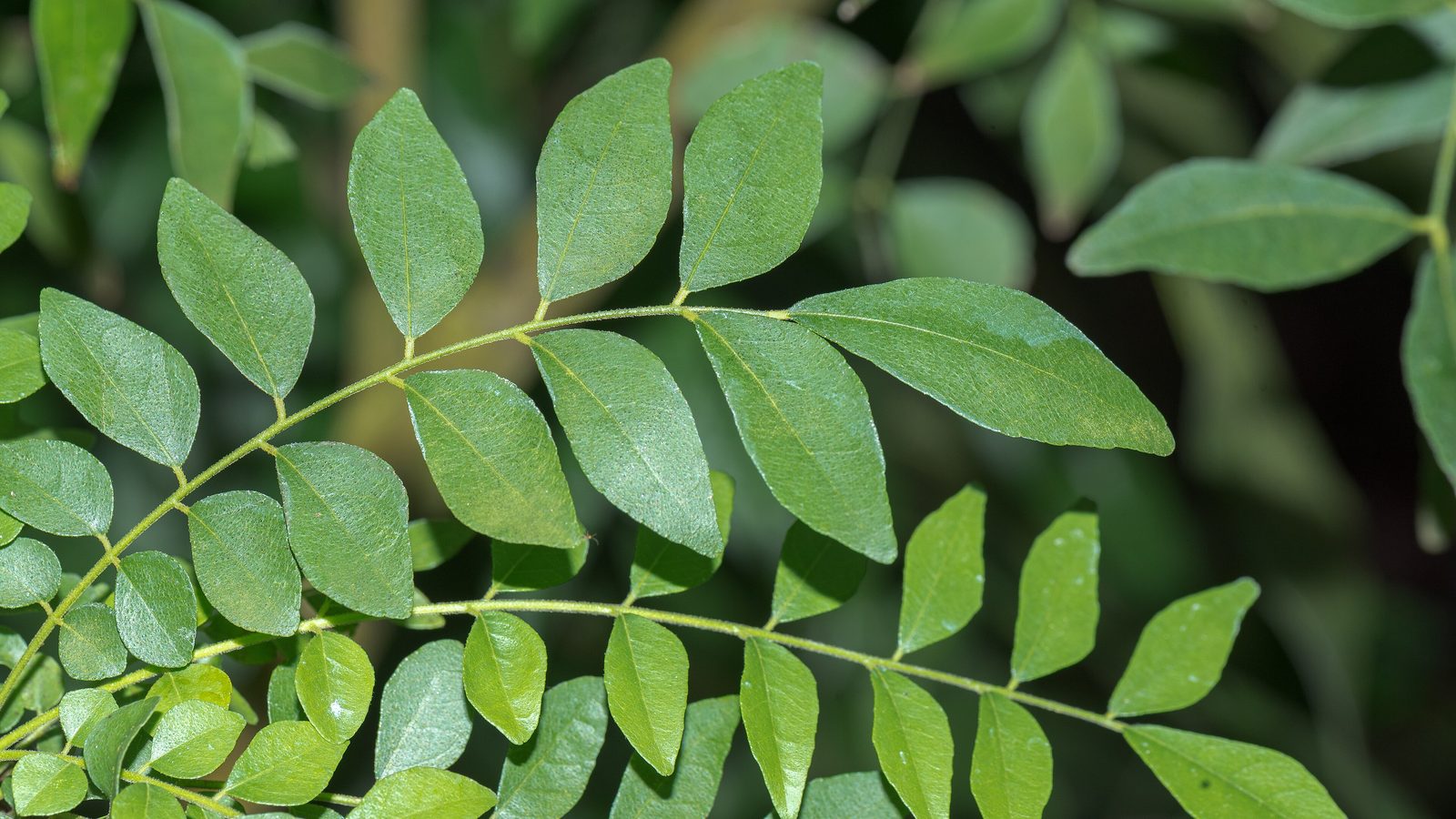
Upma: a savoury South Indian breakfast made by roasting suji (semolina) and cooking it with water, vegetables and a tadka of mustard seeds, curry leaves and green chilli.
Upma and your health
Classic suji upma is made from refined wheat, so it's mostly starch and lower in fibre than whole grains. That's why a big bowl can leave you hungry again soon after.
The good news is that upma is very flexible:
- change the grain
- add vegetables and protein
That way it becomes a balanced, filling meal that suits weight and blood sugar goals much better.
How to have upma
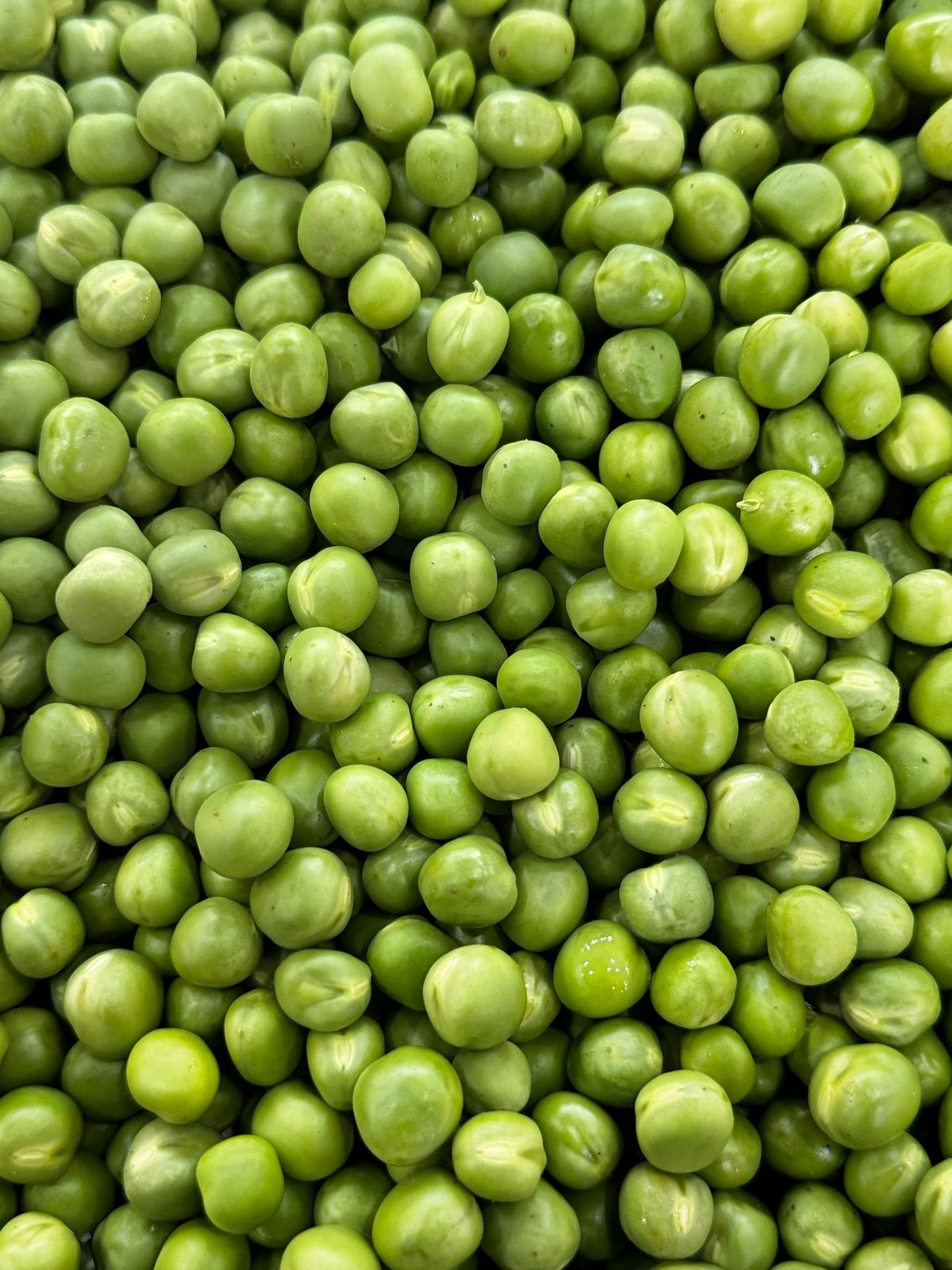
Use more vegetables than suji, such as beans, carrot, peas, capsicum and tomato.
- Add roasted chana dal, peanuts or a side of dahi for protein.
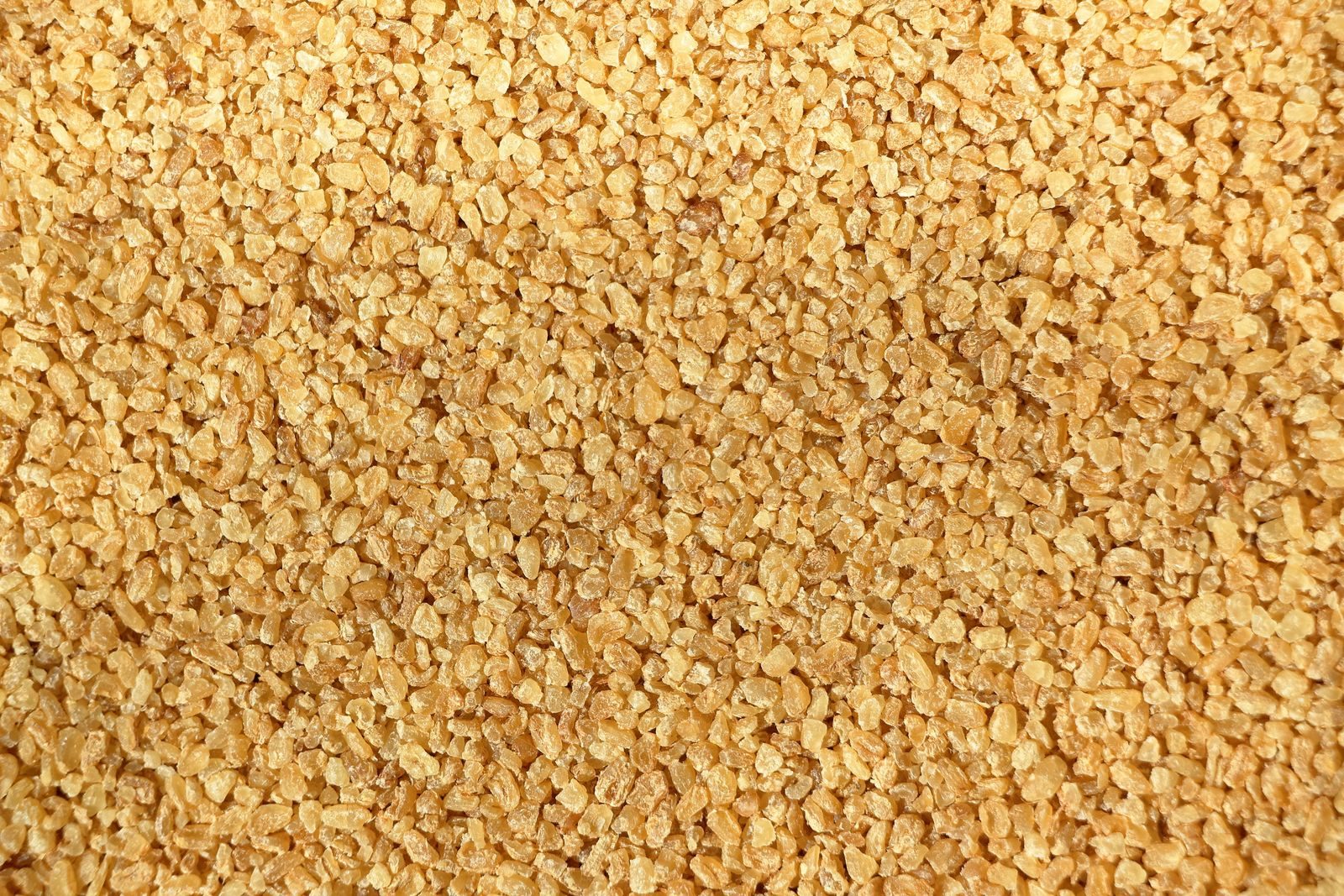
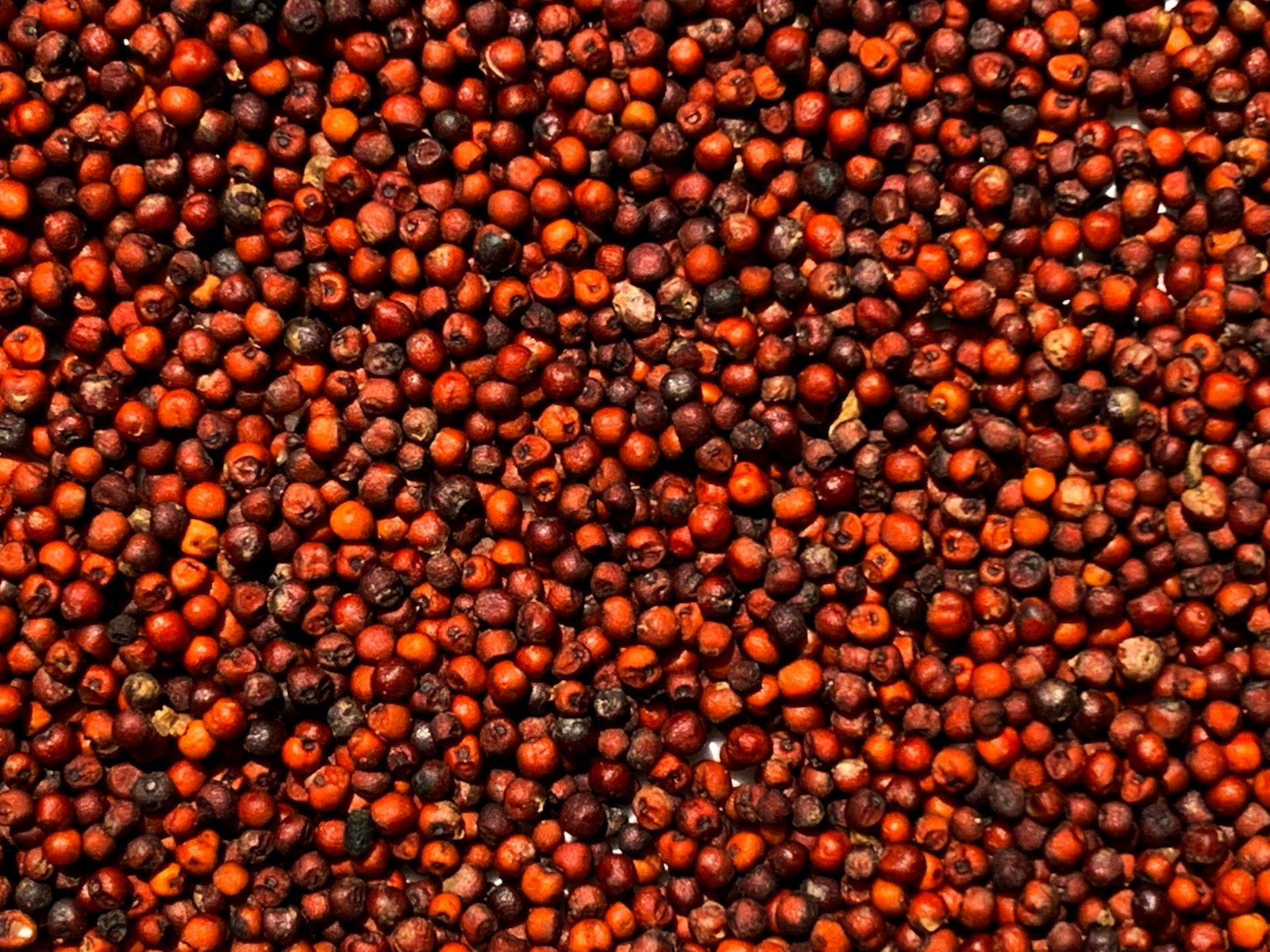
- Try swapping some or all of the suji for dalia, ragi or a millet rava to get more fibre.
- Keep the oil or ghee in the tadka small.
- Serve about a katori of upma with a bowl of sambar for extra dal.
Wholegrain versions of starchy foods give you more fibre, B vitamins and minerals.
Where you'll see it
The first call is free
Tell Puja what's going on and she will tell you honestly whether she can help.
Related guidance: NHS: Starchy foods and carbohydrates. General information, not medical advice.
Related words
Refined carbohydratesWhole grainsMilletsFibreOils and gheeSatiety
Counting it? Calories in upma, per serving.
A question about Upma?
Send Puja a message. On a free call she looks at your reports and your plate with you, and says what to change.
Questions go to WhatsApp. Prefer to call? +91 88826 96344