
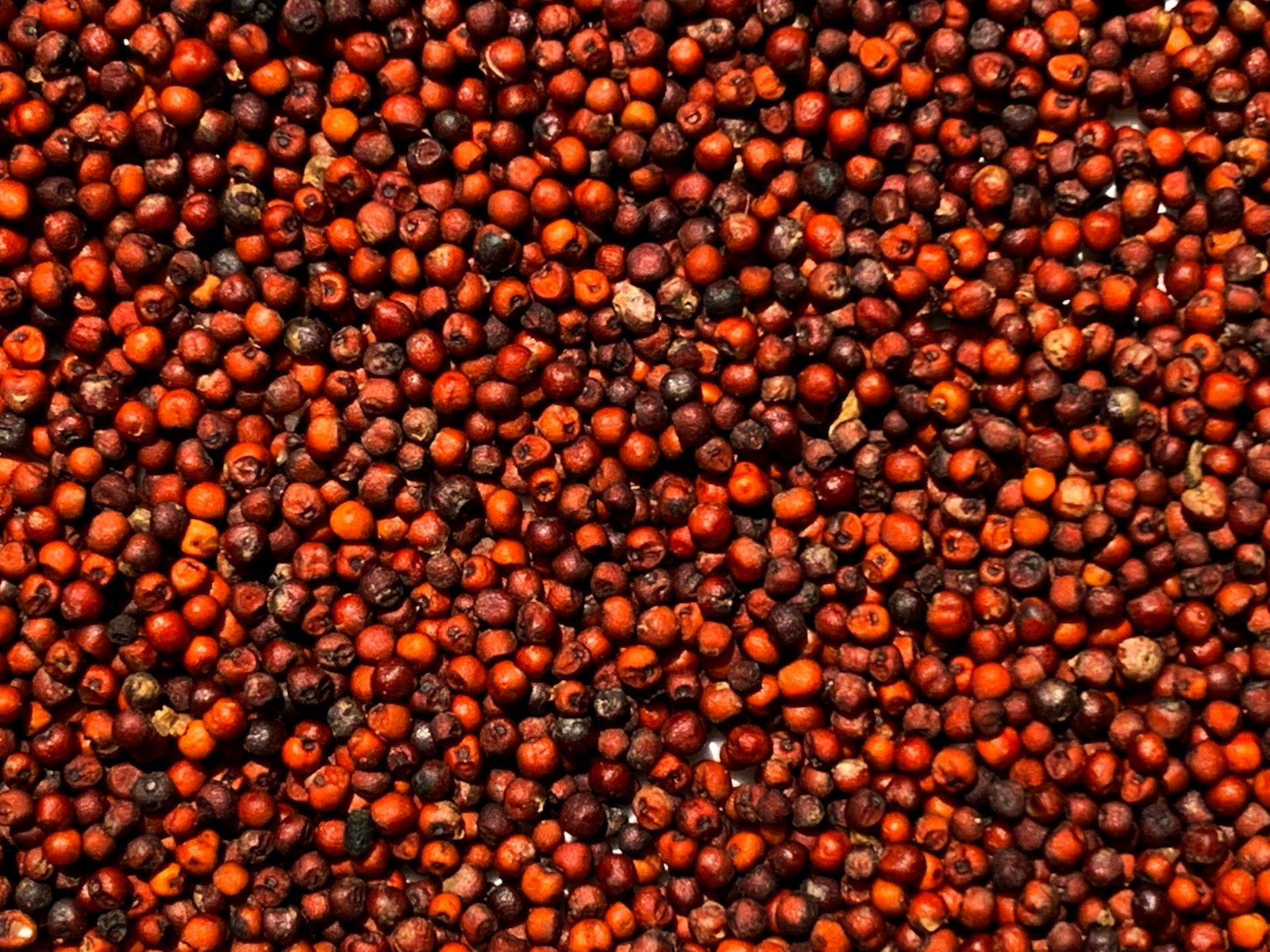
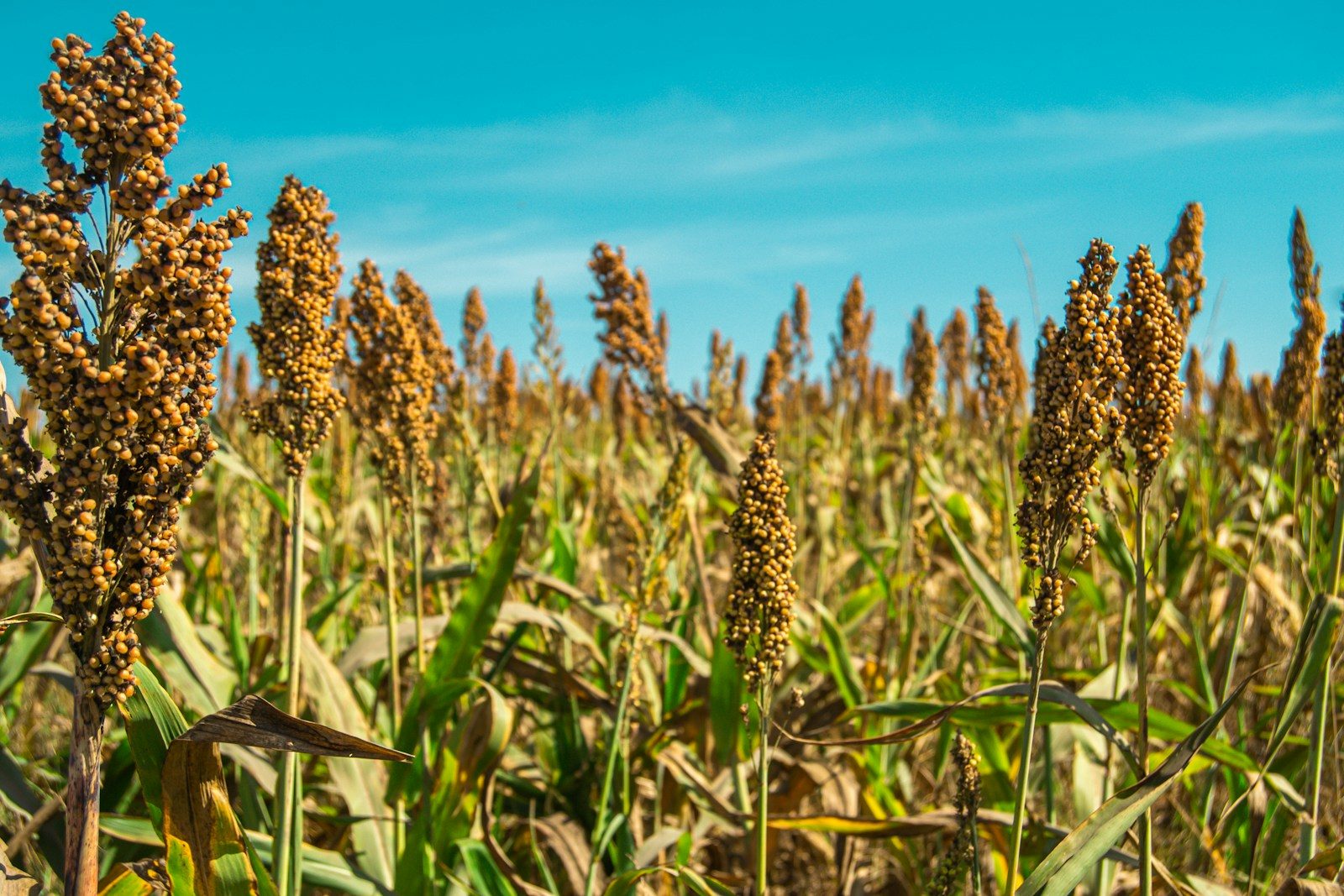
Millets: small-seeded grains that have been part of Indian kitchens for centuries.
Millets and your health
India's National Institute of Nutrition groups whole grain cereals and millets together as foods that give you energy along with protein, fibre, minerals, calcium, iron and B vitamins.
Why they stand out:
- Ragi in particular is a good plant source of calcium, which matters for women as bones thin with age.
- Because millets are usually eaten whole, they bring more fibre than polished rice or maida, which helps you feel full and slows down the rise in blood sugar after a meal.
That makes them a useful swap if you're managing diabetes or PCOS.
How to have millets
Start by replacing one meal's grain with a millet:
- a bajra or jowar roti in winter
- ragi dosa or ragi porridge
- a foxtail millet khichdi
Getting more from them:
- Eat millets with dal or curd, since a mix of cereals, millets and pulses gives better quality protein than any one alone.
- Sprouting or fermenting millets, as in malted ragi, improves digestibility.
Millets are still a carb, so the katori size matters as much as the grain.
Where you'll see it
The first call is free
Tell Puja what's going on and she will tell you honestly whether she can help.
Checked against: ICMR-National Institute of Nutrition: Dietary Guidelines for Indians, A Manual. General information, not medical advice.
Related words
Whole grainsFibreGlycemic indexCalciumIronRefined carbohydratesKhichdiUpmaKuttu (buckwheat)Magnesium
Where it comes up
A question about Millets?
Send Puja a message. On a free call she looks at your reports and your plate with you, and says what to change.
Questions go to WhatsApp. Prefer to call? +91 88826 96344