
Singhara atta: flour made from dried singhara, the horned fruit of the water caltrop (Trapa), a plant that grows in ponds and lakes and is often called water chestnut in India.
Singhara atta and your health
Singhara is mainly starch, so it gives you energy, and because it isn't a cereal it's allowed in many fasting traditions.
Gluten:
- It isn't a grain, so it has no gluten of its own.
- Flours can be milled alongside wheat, so look for a gluten-free label if you have coeliac disease.
During fasts, singhara often turns up as:
- deep-fried puris
- ghee-rich halwa
That means a fasting day can end up heavier than a normal one.
How to have singhara atta
Cook singhara rotis or chillas on a tawa with a little ghee.
Good habits with singhara:
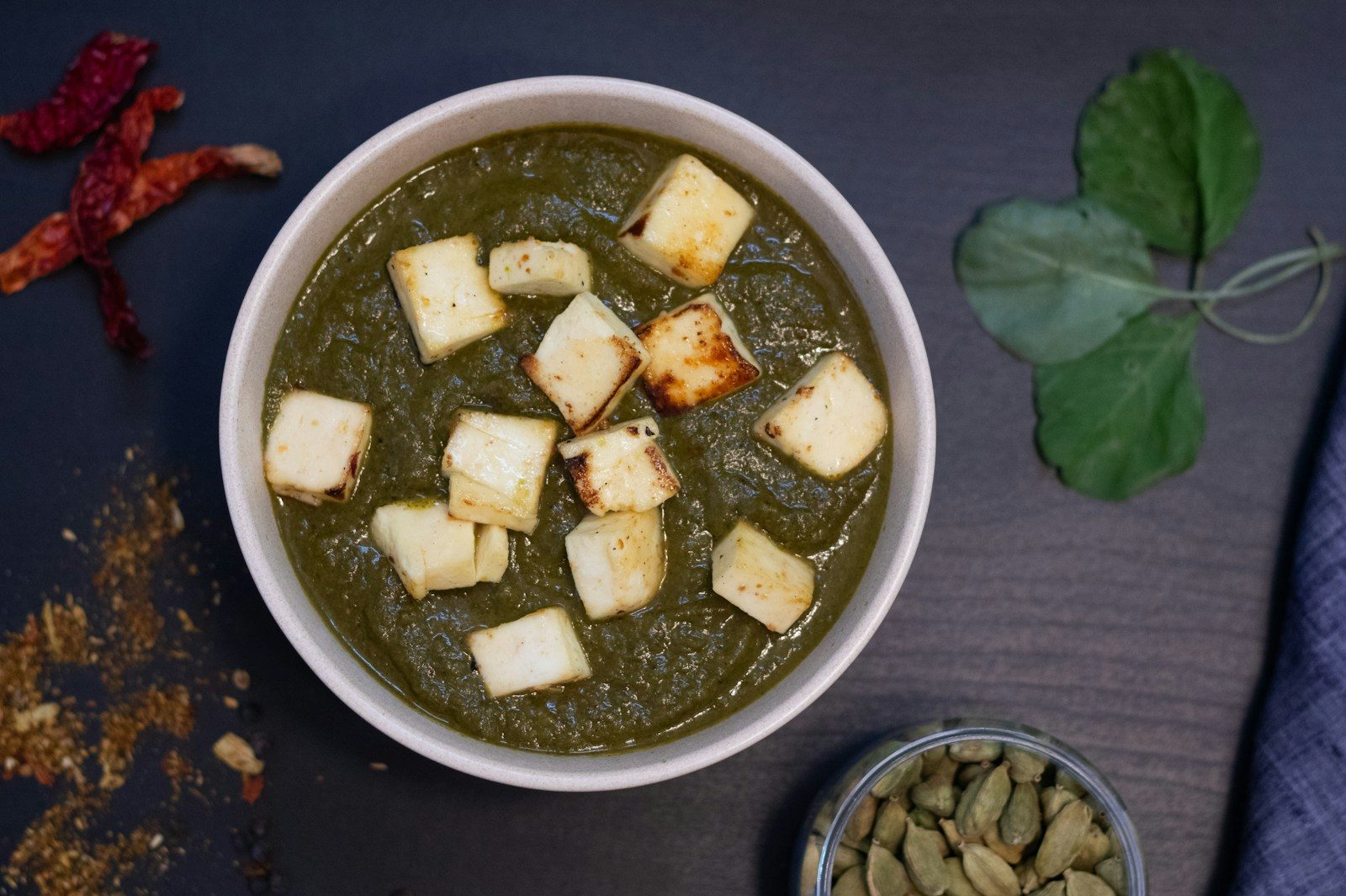
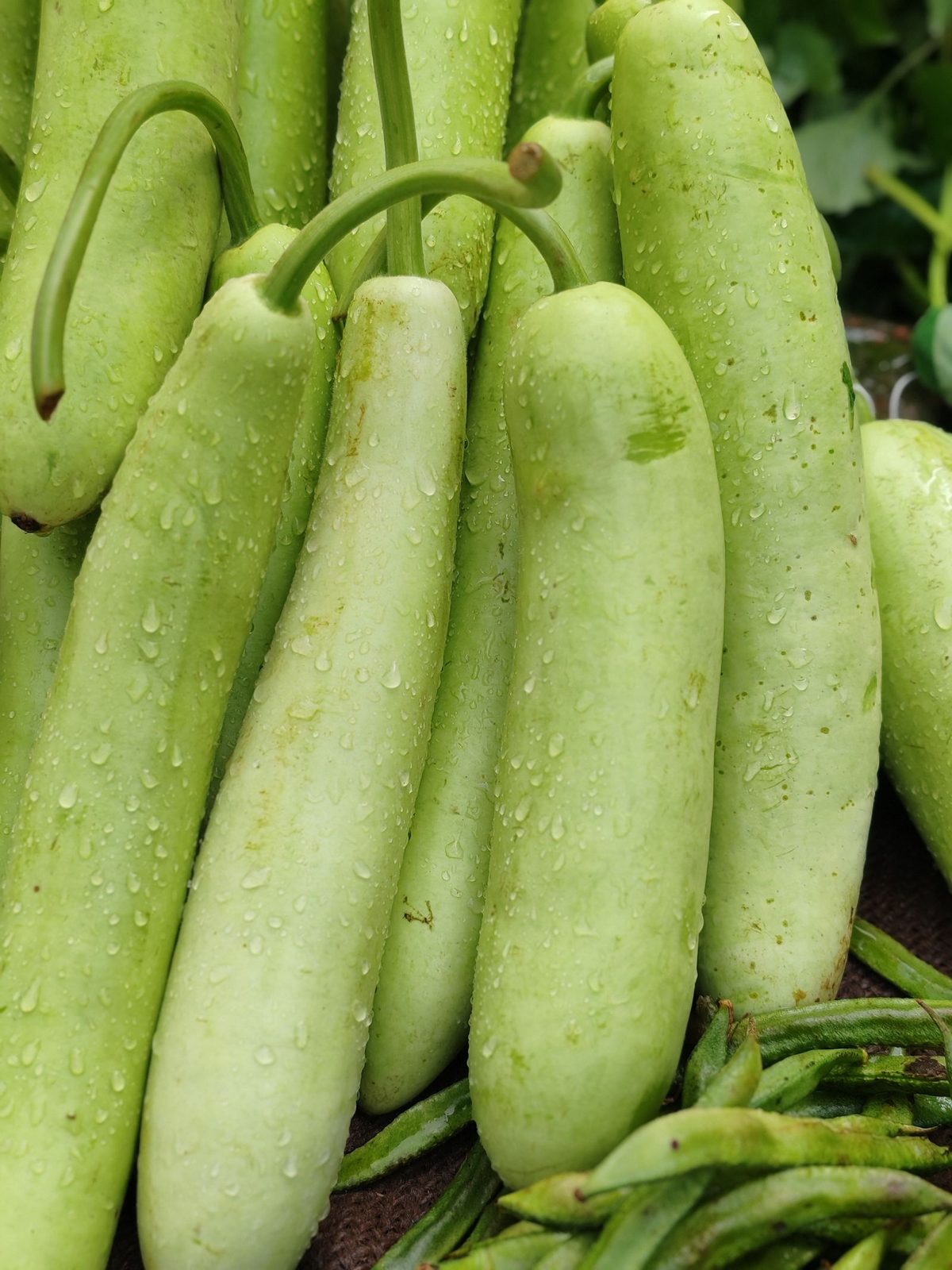
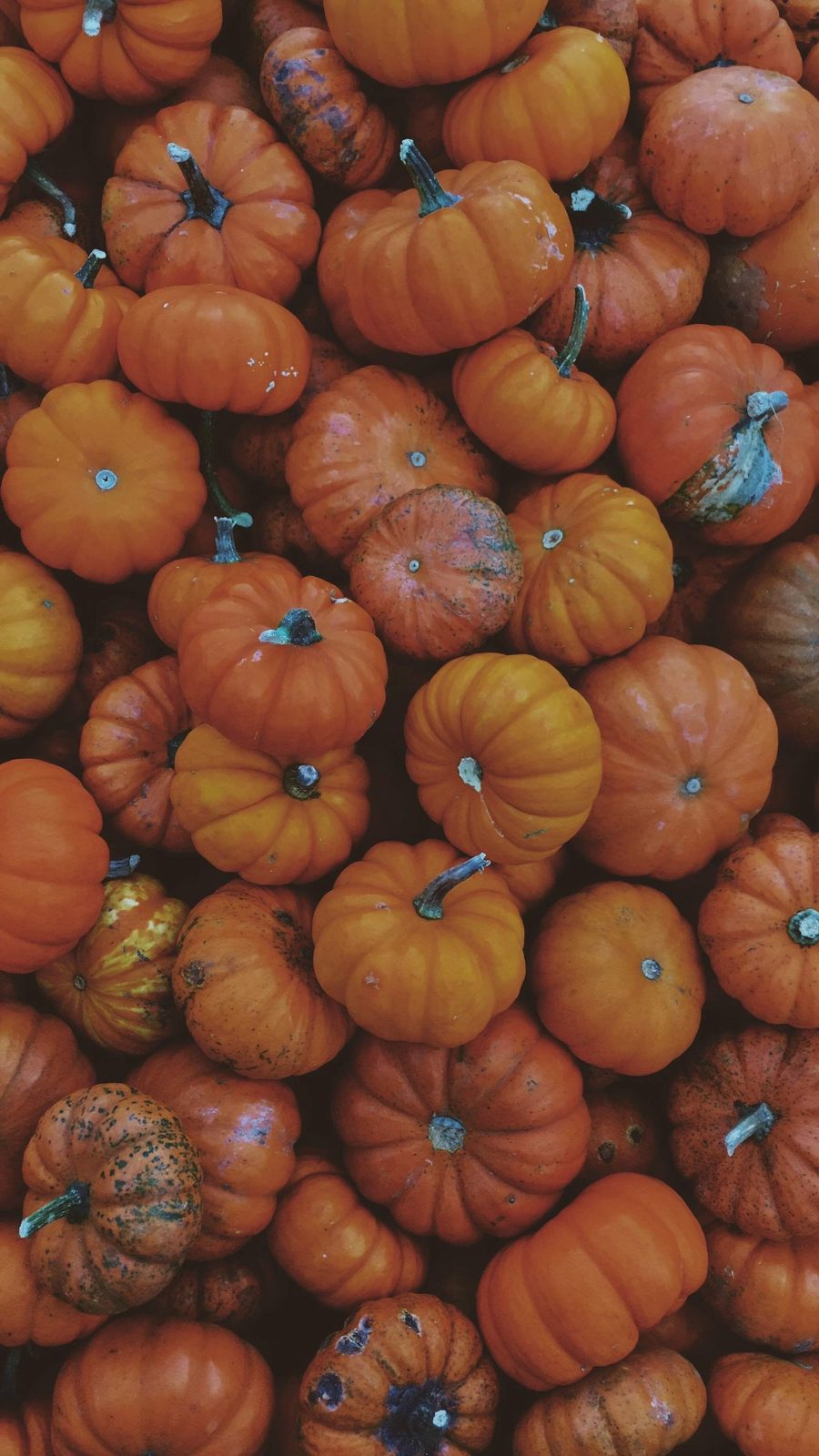
- Pair them with dahi, paneer or a vegetable like lauki or pumpkin to add protein and fibre.
- Mixing it with kuttu or rajgira atta improves both the texture and the nutrition.
- Keep fried puris and halwa as occasional treats, since starchy foods are healthiest boiled, baked or cooked with little fat.
If you have diabetes and plan to fast, talk to your doctor about how to manage your meals and medicines.
Where you'll see it
The first call is free
Tell Puja what's going on and she will tell you honestly whether she can help.
Related guidance: NHS: Starchy foods and carbohydrates. General information, not medical advice.
Related words
A question about Singhara atta?
Send Puja a message. On a free call she looks at your reports and your plate with you, and says what to change.
Questions go to WhatsApp. Prefer to call? +91 88826 96344